
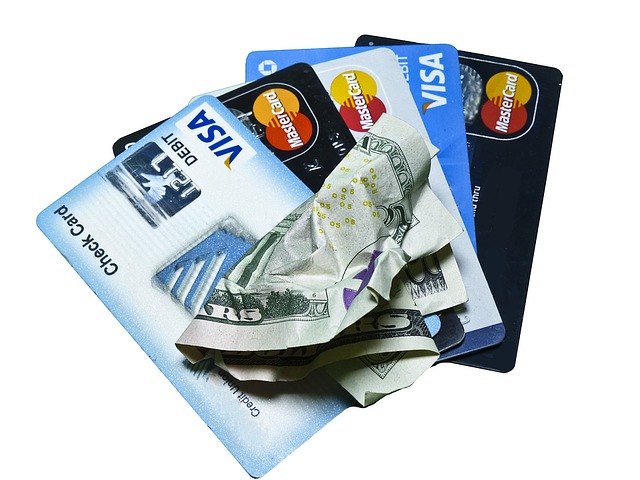
The credit card industry is a multibillion-dollar industry that leverages one of the most little-understood powers that drive the world: money psychology. The psychology of credit cards causes people to spend more than they need to and often shift control of their finances from themselves to the credit card company. I will list some articles and study information so you can take a look at your leisure.
Understanding how credit card psychology works can help you prevent that. So how exactly does it work?
==> Credit Cards Turn Cash into Concepts
Spending money on a credit card doesn’t have the same psychological effects as spending cash.
Research has shown that people are more likely to spend more money when they’re using a credit card than when they’re spending cash.
People are also less likely to remember how much they’ve spent when it’s on a credit card. People tend to underestimate their spending when they use credit cards as a rule of thumb rather than cash.
Why? Because a credit card operates on the concept of money, while cash feels like a tangible physical object with real value.
The subconscious mind doesn’t instinctively understand that credit card money is valuable. Yes, consciously it’s something we understand. But it doesn’t carry the same weight as cold, hard cash.
==> The Illusion of Need
Money has many definitions. One way to look at money is accumulated power or “value.” Through doing valuable work in the workplace, you’ve “accumulated” a certain amount of power or value as recognized by society. This value you’ve created is presented to you in the form of a paycheck.
When you use a credit card to buy something with money you don’t yet have, you’re essentially saying that you believe you need this object so badly that you’re not willing to wait until you’ve generated the power it takes to bring that object into your life.
Instead, you’re borrowing from power you’ll create in the future. This comes at an immense cost. The cost is buried in small sounding credit payments, but the cost is huge nonetheless.
The reality is, this sense of needing an object right away is almost always an illusion. Aside from food and shelter, there’s really nothing you really, truly need.
Whenever someone puts a pair of Gucci shoes, a high-end computer, an iPhone or an expensive date on their credit card, what’s really at work are subtle emotions. Emotions that say that spending this money will buy comfort, affection, being “cool,” etc. These emotions are largely created by marketing.
When looked at objectively, most things people put on credit cards really aren’t necessary. However, people feel like they absolutely have to have them. In the past, financial reality would have prevented them from giving in to this feeling. Credit cards, however, give people an easy “release valve” for all these emotions.
Understanding that these psychological factors are at play will give you the power to start noticing when they’re surfacing in your own life. Start to notice when you discount the value of money because it’s paper rather than cash. Notice your urges, especially when you feel like you have to buy something. Ask yourself – do you truly need that object? Chances are, if you had to save up real money to buy it, you wouldn’t need it that much after all.
Here is a list of articles pertaining to the psychology of credit cards below. Click on the organization and it will take you to the articles.
 Mind My Biz